

 +86 19108238286

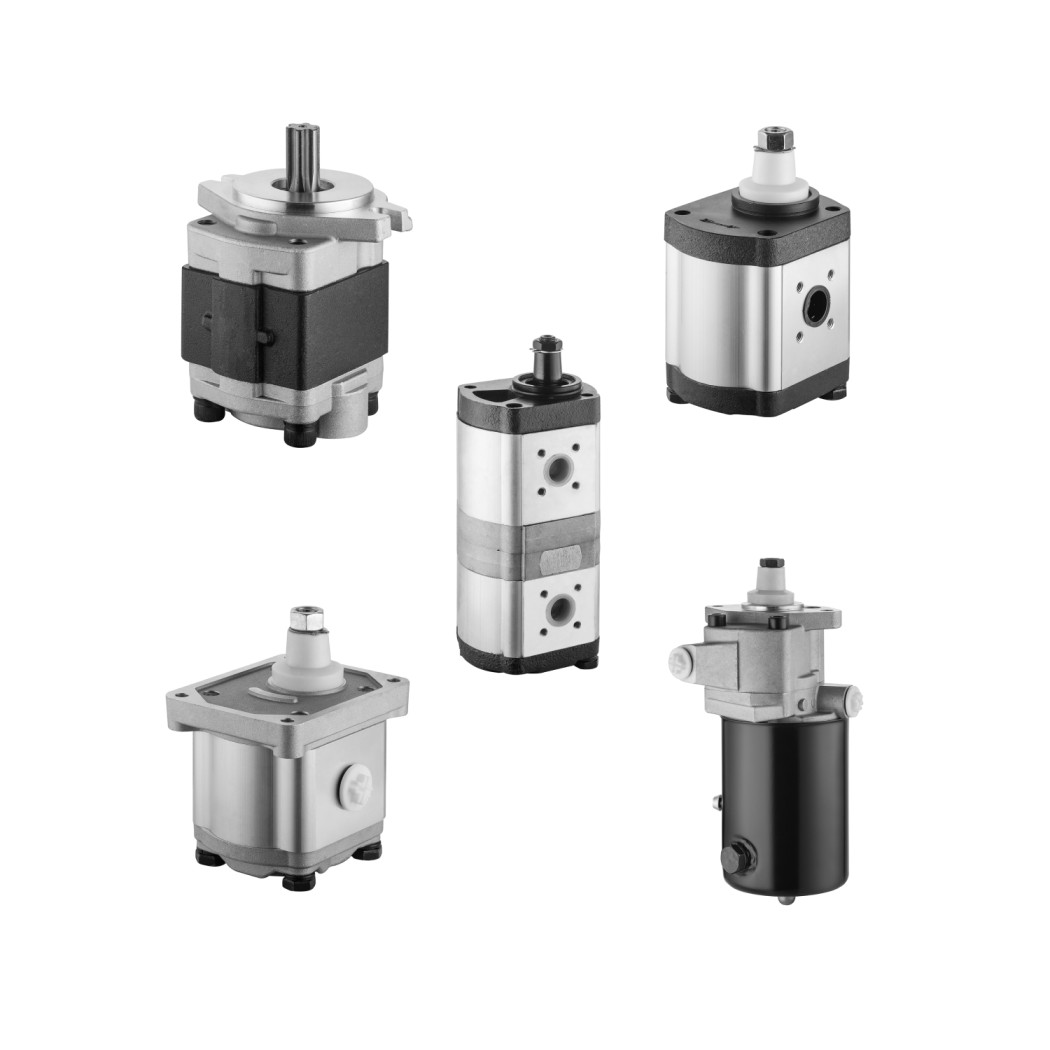
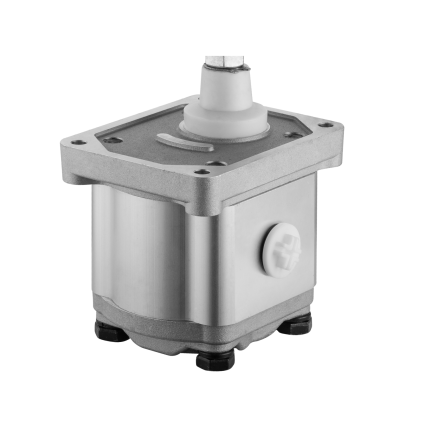
Fundamental to hydraulic drive systems, hydraulic pumps allow these systems to carry out their vital tasks. These pumps generate hydraulic energy from mechanical power, which creates the pressure differential required to move fluids. The gear pump is particularly notable among the several varieties of hydraulic pumps due to its effectiveness and adaptability.
Functions of Hydraulic Gear Pumps
Fluid movement in a hydraulic gear pump is facilitated by mechanical action on the gears. The gear teeth unmesh when mechanical energy propels the gears’ rotation, producing a vacuum at the pump’s inlet. The fluid is drawn into the pump by this vacuum, and as the gears mesh at the exit, the fluid is subsequently transferred in fixed, confined volumes. Gear pumps are dependable and regular in their fluid distribution because the movement of the gear permits the proportionate and pulse-free flow of liquid.
Hydraulic Gear Pump Types
There are two main varieties of hydraulic gear pumps, each appropriate for a distinct set of uses:
Gear Pump Internal
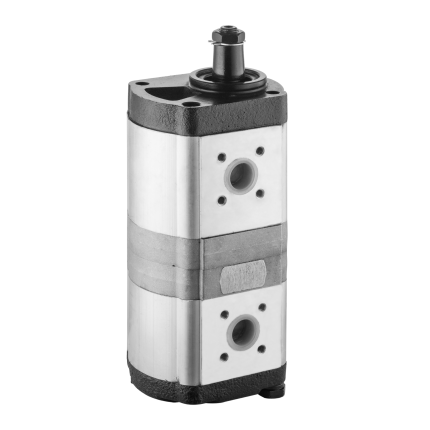
A smaller gear with the teeth of the larger gear on the exterior and the teeth of the smaller gear on the inside make up an internal gear pump. The smaller gear is positioned inside the casing slightly off-center, partially resting against a crescent-shaped partition and partially meshing with the bigger gear. As it unmeshes from the smaller gear and draws liquid into the void, the larger gear powers the pump and creates a vacuum. The fluid is then driven out as the gears mesh once more after becoming caught against the crescent barrier. Because of its excellent suction power, internal gear pumps are frequently utilized in settings handling very viscous fluids.
External Gear Pump
Two equal-sized interlocking gears are installed on different shafts in external gear pumps. Though in certain designs both gears can be driven, normally only one gear is driven and the other serves as an idler. The tight tolerance between the gears and the pump casing allows for fluid movement, and between the gears, meshing and unmeshing takes place. External gear pumps are the best choice for high-pressure applications requiring substantial flow rates because of their design, which stops fluid from seeping back to the input. These pumps are ideal for harsh settings because of their independent shafts, which offer extra robustness and security.
Hydraulic Gear Pump Benefits
Hydraulic gear pumps are a popular option in many applications because of their many advantages.
Compatibility with Corrosive and Contaminated Liquids: Gear pumps are vital in tough situations because of their exceptional ability to handle corrosive or contaminated liquids for lengthy periods of time without suffering substantial harm.
Pressure and Temperature Resilience: Depending on the design, these pumps can function at pressures of up to 3000 psi, which qualifies them for the majority of industrial settings. They function effectively in areas with fluctuating temperatures as well.
Lower Noise Levels: Gear pumps of today are perfect for applications where sound pollution is an issue because of their drastically lower noise levels.
Flow Control for Metering and Dosing: Because gear pumps can precisely control flow, they are appropriate for metering and dosing applications.
Fluid Versatility: Gear pumps are perfect for blending and mixing applications because they can handle a wide range of liquids without experiencing fluid limits.
Durability and Reliability: By minimizing the possibility of catastrophic failure and guaranteeing long-term reliability, these pumps are designed to withstand wear and tear.
Hydraulic Gear Pump Constraints
Gear pumps do have certain limitations, despite their great effectiveness in many situations:
Wear and Tear: Normal wear and tear is unavoidable because of the near tolerances between the gears and casing, which can eventually cause the pump to stop working. The cost of repairs can occasionally match the cost of a new pump.
Incapacity to Handle Solid Wastes: The pump cannot transmit solid materials due to the small gaps between the gears and casing, which could seriously harm the device.
Fixed Flow Rate: The inability of gear pumps to have their flow rate altered, in contrast to certain other types of hydraulic pumps, may limit their applicability in particular situations.
Precise Machining Necessary: To avoid fluid backflow, the gears must be machined with exact tolerances, which adds complexity to the production process.
Lubrication Considerations: Gear pumps require proper lubrication to prolong their longevity, even though they are self-priming and capable of operating in dry situations. However, prolonged dry running is not recommended as lubrication can contaminate the fluid being pushed.
Uses for a Hydraulic Gear Pump
Hydraulic gear pumps are adaptable instruments with a wide range of uses in several sectors:
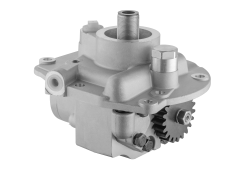
Production of Oil and Gas: In the oil and gas sector, hydraulic gear pumps play a crucial role in the movement of fluids between sites, including gas and oil. They are able to transfer fluids, for instance, from wellheads to storage tanks.
Water Treatment: To ensure a steady flow of water for processing, these pumps are utilized in water treatment systems to move water from sources like rivers or lakes into municipal wastewater treatment plants.
Mining: A vital part of the extraction and transportation process, hydraulic gear pumps are used in the mining sector to move commodities, such as coal, from mine sites to processing facilities or other destinations.
Your Source for Drive Systems and Hydraulic Gear Pumps is Eurobalt Engineering
Our goal at Eurobalt Engineering is to serve as your one-stop shop for all hydraulic needs. With years of experience in the field, we have created a line of gear pumps that rivals premium brands in terms of performance and quality. We have the knowledge and resources to suit your demands, whether you’re in need of hydraulic cylinders or whole hydraulic drive systems including hoses and other accessories. Speak with us about your needs in order to obtain the ideal hydraulic gear pump for your situation. Get in touch with us immediately.
Conclusion
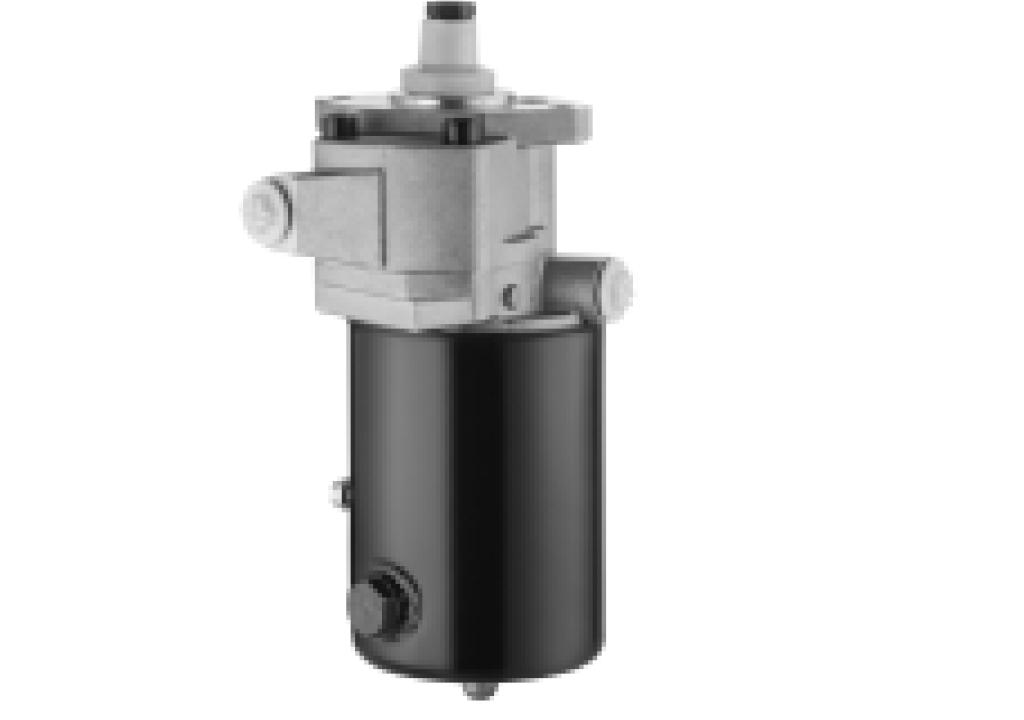
Strong rotary engines known as hydraulic gear pumps use the pressure of fluids—usually water or oil—to effectively move energy from one place to another. Their resilience and adaptability, along with their capacity to function under extreme temperatures and pressures, render them invaluable in a range of industrial environments. Hydraulic gear pumps offer a dependable way to move massive amounts of energy fast and effectively, whether in refineries, industries, or water treatment facilities. Industries may make well-informed judgments about their use in various applications by having a thorough understanding of their benefits, limitations, and mode of operation.